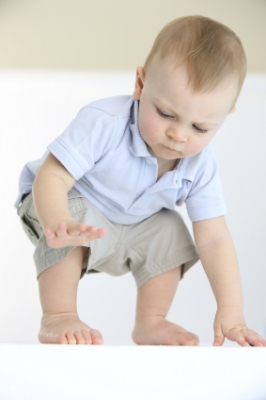
If you want to improve your movement patterns to support better performance in a sport, or to promote greater comfort and better posture in your body, or to reduce the mechanical stress that contributes to pain, you need to improve your coordination.
What is coordination
Coordination is why some people make movement look easy, graceful and effective, while others make it look awkward, difficult and painful.
Coordination basically means firing the right muscle fibers at the right time for a given physical task. Concepts like stability, mobility and balance are essentially just different aspects of coordination. Further, strength, flexibility, power and even endurance cannot be expressed to their full potential without coordination. Therefore, optimizing coordination should be one of your primary goals in regard to improving physical function.
There are several articles on this site that describe some of the essential characteristics and biomechanics of coordinated movement:
Basics of Coordination, Part One
Basics of Coordination Part Two: Efficiency
Making the Hard Easy and the Easy Elegant
How to Improve Coordination
And there are other articles that describe the neural processes by which the brain creates coordination, and, more importantly, how we can make changes to those processes. Much of the information comes from recent neuroscience that is fascinating, of practical value, and often ignored in many mainstream training and therapeutic programs.
The Brain is for Movement Part Two
The Importance of Play for Motor Learning
How Slow Movement Builds Coordination
Get Updates
Sign up for blog post updates and get a FREE report on How to do Joint Mobility Drills.
Enter your e-mail address below